
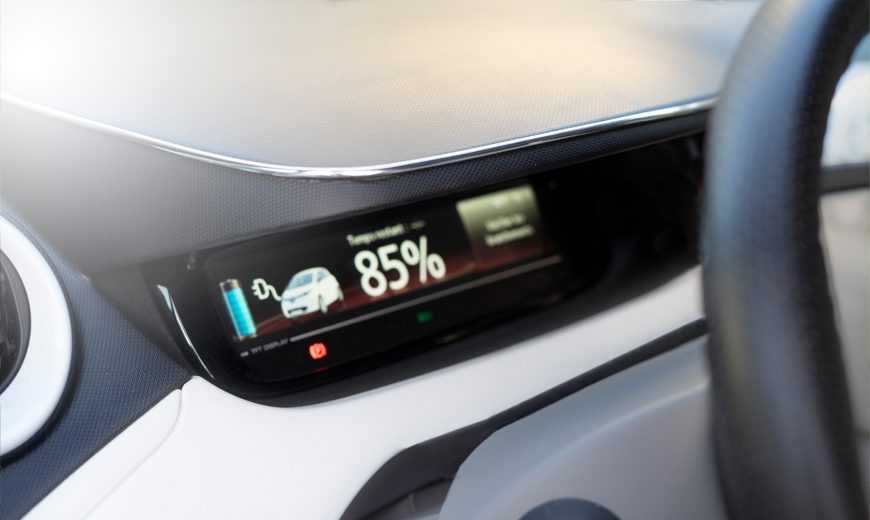
The battery technology has been first created by Alessandro Volta in 1800, which impacted the scientific community, as well as a whole market for electrical storage. Batteries have gained increased importance over the years and, more recently it has been expanding significantly, primarily due to the electric vehicle (EV) market boost, which has seen a 6x increase in sales from 2018 to 2023, totaling 14 million sold cars in 2023 [1].
The evolution of the EV market goes back to the 1800s, strongly competing with the internal combustion cars. However, the discovery of significant amounts of oil and with the advancements on efficient manufacturing processes by Henry Ford, the internal combustion engine stood out as the winner, at least up until recently. With the increased concerns of city pollution and with the development of the battery technology, EVs are paving the way in the mobility market. As a result, it is expected that around 2000 GWh of used EV batteries will be available by 2030 [2].
While serving EVs, these batteries are subject to demanding conditions and required to meet high-quality standards, including 80% of original capacity at the end of 5 years and a 5% resting discharge rate in 24h. EV batteries are manufactured to last 10 years, but these high standards force earlier replacements after 5 years, meaning that these batteries, although not meeting the EV standards, can still serve a valuable purpose in other applications.
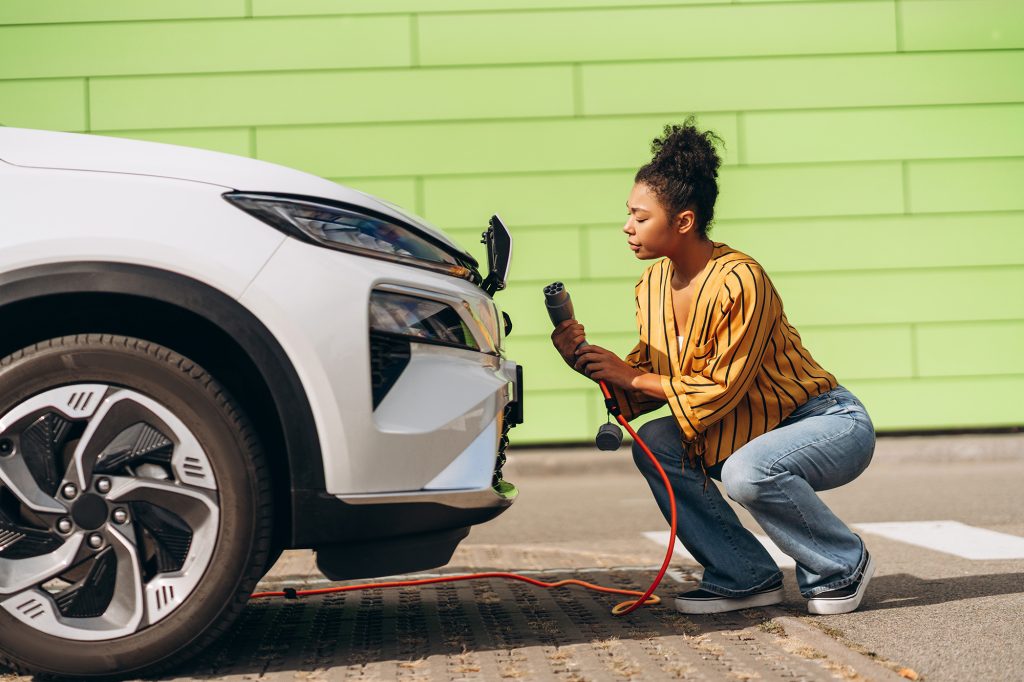
Batteries Beyond Transportation
Although having a predominance for the transportation sector, batteries serve other purposes such as consumer electronics and stationary storage. Stationary storage refers to storing electricity to be used during periods of need, providing services like hybridization of renewable energy systems and ancillary services to the electrical grid (focused in maintaining grid stability and reliability). The main barrier for the development of storage systems has been associated with the cost of batteries and it has been more effective to provide these services through pump and storage in river dams or activating thermoelectric power plants. These services, however, do not require batteries with such higher standards as those from EVs, opening the door for a second-life battery market.
In fact, the rapid technological development of the energy value-chain entails a growing penetration of renewable energy resources (RER) such as photovoltaic (PV) systems and wind turbines. However, due to the intermittency and unpredictability of these sources, the traditional “production-follows-demand” grid is becoming harder to manage and if RERs production overshadow the demand side, storage mechanisms are key to accumulate that surplus and dispatch when demand increases.
Additionally, second-life batteries can facilitate power-arbitrage, storing renewable energy to be used during times of scarcity, thus increasing grid flexibility and stability. Consequently, having a more efficient management of the grid will help in postponing investment in infrastructure by reducing peak demand.
Market Potential and Challenges
The market for second-life batteries is estimated to account for around 15 GWh of utility-scale battery demand for second-life batteries in 2025, overpassing 200 GWh in 2030 [2]. However, limitations in this market are acknowledged that can impact these figures, such as the lack of standardization of EVs batteries, which difficult the integration of batteries racks into larger storage units thus increasing the overall costs of these systems. Another market threat is the decreasing cost of first-hand batteries, which will affect the financial advantage of second-life batteries.
Once an EV battery reaches the end of its life in the vehicle, it can follow one of two paths: disposal or recycling. Disposing batteries usually occurs when the batteries are damaged or in low-regulated markets that do not block mass disposals. On another hand, recycling can be significant if the electrodes have high value materials such as cobalt or nickel. This value must compete with the cost of recycling, as the wide range of batteries materials make it difficult to implement a single recycling process for all.
Leveraging Data for Battery Optimization
Ultimately, the value for second-life batteries lays in their application. As said, they have positive characteristics in providing key management services to the grid and that is only possible with a significant capacity to deal with large volumes of data in real-time, knowing how to process it and developing the required optimization algorithms for those purposes. One such example is the ability to know which end users have flexible loads in their homes, such as EVs, electric water heaters, water pumps or heat pumps. Watt-IS non-intrusive load monitoring (NILM) algorithm can do exactly that at scale, relying only on smart meter data. With that information, it is possible to technically pinpoint the end consumers with the highest flexibility potential, thus knowing the neighborhoods and larger areas as well with the highest flexibility potential.
Knowing the areas where the grid can be more flexible is instrumental to develop the roadmap for the implementation of flexibility and, with that, optimizing the grid operation with real-time load control – demand response (DR).
For such, advanced data infrastructures and optimization algorithms are key to effectively control flexible loads while addressing multi-objective optimization goals such as tenant comfort, grid status, current and future production from RERs or thermal power assets, spot and futures markets prices, storage capacity, among others.
That is a paramount capability that smart grids need to have to deploy flexibility, but the challenges are significant while addressing the real-time changing dynamics and that is a point where Watt-IS takes a step forward. Beyond identifying and quantifying flexibility in the grid, Watt-IS has been investing in DR powered by artificial intelligence models that can tackle such challenges and in addressing the integration of 2nd life batteries in PV systems, seeking a holistic flexibility optimization system.
Subscribe our Newsletter
Know more about "watt" we do
Our newsletter will keep you informed about all the latest happenings, upcoming events, exciting projects and developments. You’ll find it all in there.
Join us on this electrifying journey! You can easily unsubscribe at any time.

Copyright © 2022 Watt-IS. All Rights Reserved.
